
Come Join Us!!!
A Non-Profit Organization
The Imprinting Foundation
1616 E. Lind Road
Tucson, Arizona 85719
The
research
of
the
Imprinting
Foundation
is
based
upon
Whitman's
words.
Facts
are
provided
to
validate
rainwater
infiltration
theory,
and
the
theory
unifies
many
assorted
infiltration
facts.
Imprinting
is
based
upon
this
infiltration
theory
that
is
well
supported
by
infiltration
data
collected
in
four
states:
Wisconsin,
Montana,
Nevada
&
Arizona,
during
the
period
1960
to
1975,
primarily
by
Dr.
Robert
Dixon,
shown right (we know, the resemblance to Sam Elliot is uncanny!)
You
can
use
the
menu
to
the
left
or
the
links
below
to
go
to
the
indexes
of
C
onservation
Essays
and
Scientific
Publications
.
Although
far
from
Danielle
Steel
or
Tom
Clancy
stories,
the
articles
are
of
major
importance
to
those
of
us
who
are
trying
to
turn
the
tide
of
the
disastrous
route
this
planet
is
taking.
Each
contribution
from
educators,
scientists,
agricultural
experts,
etc.,
builds
on
the
next.
The
answers
to
today's
serious
problems
are
to
be
found
amidst
the
various
theories
and
scientific
data.
The
imprinting
machine
is
just
one
example
of
what
can
be
done
through
technology
and
literally
putting
the
nuts
and
bolts
together
(you
were
wondering
where
that
was
going
to
tie
in,
now
weren't
you?)
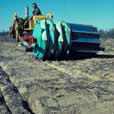
The
Dixon
Land
Imprinter
(one
shown
at
right)
is
a
very
simple
machine
consisting
of
only
two
moving
parts--the
imprinting
roller
and
the
seed-box
agitator.
Imprinters
have
been
designed
for
ecological
restoration
and
the
establishment
of
cover
crops.
They
have
smaller
diameter
rollers
and
are
easier
to
transport.
Some
can
work
on
2:1
slopes
and
even
steeper.
Click
on
left
menu
or
on
picture
for
imprinter
specifications
.
Tombstone Prototype
Imprinter
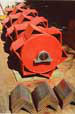
Roller Blades
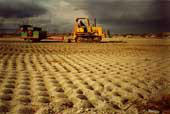
Imprints Hold Rainwater
in Place
V-shaped
imprints
funnel
resources
downward
where
they
can
work
in
concert
to
germinate
seeds
and
establish
seedlings.
See
the
photograph
on
the
right
(now
that
is
a
framable
work
of
art!)
The
vegetative
response
to
imprinting
is
rapid
because
the
v-shaped
imprints
or
indentations
hold
rainwater
in
place
and
captures
seed,
water
and
windblown
plant
litter.
So
it
is
a
unique
combination
of
factors
that
make
this
V-shaped
imprint
very
successful:
It
concentrates
water
and
seed,
funneling
it
to
the
bottom
of
the
imprint;
captures
and
concentrates
windblown
litter,
that
works
as
mulch
to
suppress
evaporation;
and
gathers
other
windblown
seeds
for
a
cover
crop
and
biodiversity.
Advantages
of
imprinting
over
other
methods
include
better
soil
and
water
conservation,
better
stands
of
vegetation,
faster
growing
seedlings, and greater production of forage/plant material.
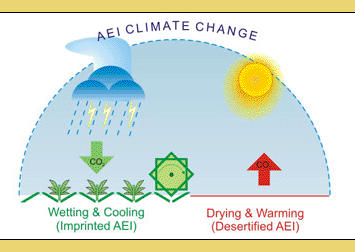
Simple
seeders,
are
directly
driven
from
the
imprinting
roller,
such
as
the
roller
shown
on
the
right,
and
can
deliver
complex
mixes
of
native
seeds
to
the
roller
top
where
they
are
carried
forward,
dropped
on
the
soil
surface
and
then
embedded
in
the
imprint
surfaces.
Click
on
left
menu
or
on
picture for
roller specifications
.
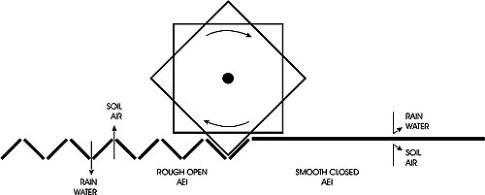
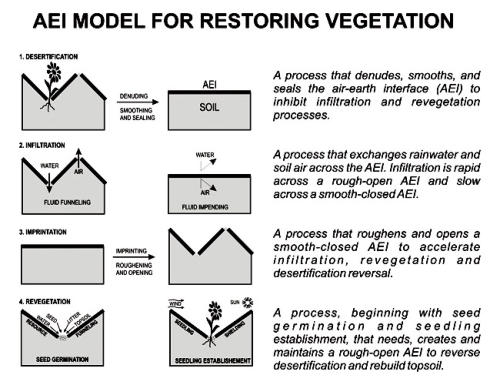
AIR EARTH INTERFACE (AEI)












IMPRINTING: How Does It Work?
"Theory without Fact is Fantasy,
and Fact without Theory is Chaos"
Walt Whitman






To email us, click on logo to left


Come Join Us!!!
A Non-Profit Organization
The Imprinting Foundation
1616 E. Lind Road
Tucson, Arizona 85719
The
research
of
the
Imprinting
Foundation
is
based
upon
Whitman's
words.
Facts
are
provided
to
validate
rainwater
infiltration
theory,
and
the
theory
unifies
many
assorted
infiltration
facts.
Imprinting
is
based
upon
this
infiltration
theory
that
is
well
supported
by
infiltration
data
collected
in
four
states:
Wisconsin,
Montana,
Nevada
&
Arizona,
during
the
period
1960
to
1975,
primarily
by
Dr.
Robert
Dixon,
shown
right (we know, the resemblance to Sam Elliot is uncanny!)
You
can
use
the
menu
to
the
left
or
the
links
below
to
go
to
the
indexes
of
C
onservation
Essays
and
Scientific
Publications
.
Although
far
from
Danielle
Steel
or
Tom
Clancy
stories,
the
articles
are
of
major
importance
to
those
of
us
who
are
trying
to
turn
the
tide
of
the
disastrous
route
this
planet
is
taking.
Each
contribution
from
educators,
scientists,
agricultural
experts,
etc.,
builds
on
the
next.
The
answers
to
today's
serious
problems
are
to
be
found
amidst
the
various
theories
and
scientific
data.
The
imprinting
machine
is
just
one
example
of
what
can
be
done
through
technology
and
literally
putting
the
nuts
and
bolts
together
(you
were
wondering
where
that
was
going
to
tie
in,
now
weren't
you?)
The
Dixon
Land
Imprinter
(one
shown
at
right)
is
a
very
simple
machine
consisting
of
only
two
moving
parts--the
imprinting
roller
and
the
seed-box
agitator.
Imprinters
have
been
designed
for
ecological
restoration
and
the
establishment
of
cover
crops.
They
have
smaller
diameter
rollers
and
are
easier
to
transport.
Some
can
work
on
2:1
slopes
and even steeper. Click on left menu or on picture for
imprinter specifications
.


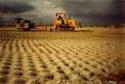
V-shaped
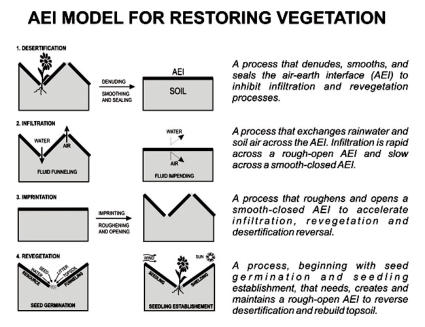
imprints
funnel
resources
downward
where
they
can
work
in
concert
to
germinate
seeds
and
establish
seedlings.
See
the
photograph
on
the
right
(now
that
is
a
framable
work
of
art!)
The
vegetative
response
to
imprinting
is
rapid
because
the
v-shaped
imprints
or
indentations
hold
rainwater
in
place
and
captures
seed,
water
and
windblown
plant
litter.
So
it
is
a
unique
combination
of
factors
that
make
this
V-shaped
imprint
very
successful:
It
concentrates
water
and
seed,
funneling
it
to
the
bottom
of
the
imprint;
captures
and
concentrates
windblown
litter,
that
works
as
mulch
to
suppress
evaporation;
and
gathers
other
windblown
seeds
for
a
cover
crop
and
biodiversity.
Advantages
of
imprinting
over
other
methods
include
better
soil
and
water
conservation,
better
stands
of
vegetation,
faster
growing
seedlings,
and
greater
production
of
forage/plant
material.
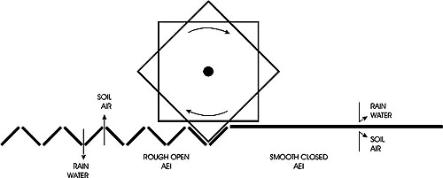
Simple
seeders,
are
directly
driven
from
the
imprinting
roller,
such
as
the
roller
shown
on
the
right,
and
can
deliver
complex
mixes
of
native
seeds
to
the
roller
top
where
they
are
carried
forward,
dropped
on
the
soil
surface
and
then
embedded
in
the
imprint
surfaces.
Click
on
left
menu
or
on
picture
for
roller
specifications
.
AIR EARTH INTERFACE (AEI)










IMPRINTING: How Does It Work?
"Theory without Fact is Fantasy,
and Fact without Theory is Chaos"
Walt Whitman


Email Web Mistress

To email us, click on
logo to left
Tombstone Prototype
Imprinter
Roller Blades
Imprints Hold Rainwater
in Place